


 support@epicgifts.org
Table of Contents
- Why Couples Choose Engagement Ring Alternatives
- Non-Diamond Engagement Rings: Popular Gemstone Options
- Moissanite Engagement Rings: Durability and Brilliance
- Sustainable Engagement Rings: Lab-Grown and Recycled Options
- Gemstone Durability and Everyday Wear Comparison
- Custom Design Process and Cost Breakdown
- Where to Find Custom Engagement Ring Alternatives
- Making Your Alternative Ring Feel Personal and Meaningful
- Frequently Asked Questions
Last Updated: October 6, 2026
Why Couples Choose Engagement Ring Alternatives
The diamond engagement ring has dominated for generations, but more couples are exploring custom engagement ring alternatives that feel genuinely theirs.
The reasons are practical and personal: sustainability, a colored gemstone with deeper meaning (a birthstone, a favorite color, heritage), or better value, more visual impact for your budget.
The key is knowing what options exist, how they perform in daily wear, and how to find a designer who can bring your vision to life.
Non-Diamond Engagement Rings: Popular Gemstone Options
Colored gemstones offer distinctive beauty and personal significance diamonds often can't match, each with its own character, durability profile, and price point.
Sapphire and Ruby Rings
Sapphire has become the most popular diamond alternative for engagement rings, its deep blue evoking luxury and timelessness, think Princess Diana's famous sapphire engagement ring.
Sapphires score 9 on the Mohs hardness scale, making them exceptionally durable for everyday wear. Rubies, sapphires' red cousin, offer the same durability with a romantic, bold aesthetic. Both work beautifully in custom designs.
Sapphires and rubies display a richness diamonds can't replicate, catching light to create depth and movement. For a non-diamond engagement ring with proven longevity, sapphire remains the gold standard.
Emerald and Aquamarine Rings
Emeralds represent luxury and sophistication, their vivid green symbolizing rebirth and renewal for centuries. However, they rank 7.5-8 on the Mohs scale and fracture more easily under pressure.
If you choose an emerald engagement ring, treat it gently: avoid extreme temperature changes, harsh chemicals, and direct impacts. For custom engagement ring alternatives, emerald suits people willing to prioritize care.
Aquamarine offers a softer alternative with similar visual appeal. Its pale blue-green tone feels fresh and modern, and it ranks 7.5-8 on the Mohs scale, the same category as emerald, but more resilient. Aquamarine engagement rings suit people who want color without emerald's fragility concerns.
Opal, Topaz, and Garnet Options
Opal captivates with its play-of-color, rainbow flashes that shift as the stone moves. But at 5.5-6.5 on the Mohs scale, it scratches easily and is unsuitable for daily-wear engagement rings unless you're extremely careful.
Topaz offers more durability at 8 on the Mohs scale, in brilliant blues, golden yellows, and pinks. Topaz engagement rings provide color and durability at a reasonable price, and the stone resists fading from light.
Garnet, often overlooked, deserves consideration. Red garnets rank 7-7.5 on the Mohs scale and offer deep, wine-like color. Durable, affordable, and symbolic, they've represented love and commitment for centuries.
Moissanite Engagement Rings: Durability and Brilliance
Moissanite sits between diamonds and colored gemstones: a lab-created silicon carbide crystal that mimics diamond's optical properties while offering distinct advantages.
Moissanite ranks 9.25 on the Mohs hardness scale, harder than sapphire and nearly as hard as diamond, making it ideal for engagement rings. It resists scratching and maintains its sparkle indefinitely.
The visual difference from diamond is real but subtle. Moissanite displays more "fire", visible rainbow light, and its higher refractive index creates a different light-play signature.
Moissanite costs significantly less than diamond. That price advantage, plus durability and ethical sourcing (it's always lab-created), makes it increasingly popular. For a non-diamond engagement ring with diamond-like durability at a lower price, moissanite delivers.
Sustainable Engagement Rings: Lab-Grown and Recycled Options
Sustainability matters to many couples choosing custom engagement rings alternatives. Lab-grown diamonds and recycled metals reduce environmental impact without sacrificing beauty or durability.
Lab-grown diamonds are chemically identical to mined diamonds, forming in controlled environments over weeks rather than billions of years underground.
Recycled metals, gold, platinum, and silver, reduce the need for new mining, meaning fewer environmental impacts and often lower costs. Many artisan designers and online platforms now offer them as standard.
For couples prioritizing sustainability, combining a lab-grown diamond or moissanite center stone with a recycled metal band creates a ring aligned with your values, no compromise on quality or aesthetics, just more responsible sourcing.
Gemstone Durability and Everyday Wear Comparison
Choosing an engagement ring alternative means understanding how your stone performs under real-world conditions. Daily wear, hand washing, exercise, contact with surfaces, stresses gemstones differently.
Mohs Hardness Scale and Practicality
The Mohs hardness scale measures a stone's resistance to scratching, from 1 (softest) to 10 (hardest). Diamond ranks 10. Knowing where your stone falls helps you anticipate care requirements.
For engagement rings worn daily, aim for 8 or higher on the Mohs scale. Stones below 8 require protective settings and careful handling. Here's the practical breakdown:
- 9-10 (Diamond, Sapphire, Moissanite): Ideal for daily wear. Resist scratching and maintain brilliance indefinitely with basic care.
- 8-8.5 (Topaz, Aquamarine, Emerald): Suitable for daily wear with attention to impact and chemical exposure. Clean gently and avoid rough contact.
- 7-7.5 (Garnet, some Tourmalines): Wearable daily but require more careful handling. Avoid contact sports and harsh environments.
- Below 7 (Opal, Pearl, Tanzanite): Best reserved for occasional wear. Not recommended for engagement rings unless you accept significant maintenance demands.
Care and Maintenance by Stone Type
Different stones demand different care routines. Understanding your stone's needs prevents damage and extends its life.
Sapphire and Ruby: Clean with warm soapy water and a soft brush. Avoid ultrasonic cleaners, which can damage treatments.
Emerald: Clean gently with lukewarm water and mild soap. Never use ultrasonic or steam cleaners.
Moissanite: Clean with warm soapy water and a soft brush; ultrasonic cleaners are safe but unnecessary.
Topaz and Aquamarine: Similar care to sapphire, warm soapy water, and avoid extreme temperature changes and direct impacts.
Garnet: Durable and low-maintenance. Clean with warm soapy water; garnets tolerate daily wear with no special precautions beyond normal jewelry care.
| Stone Type | Mohs Hardness | Daily Wear Suitability | Primary Care Concern | Maintenance Frequency |
|---|---|---|---|---|
| Sapphire/Ruby | 9 | Excellent | Cleaning mineral deposits | Weekly gentle cleaning |
| Moissanite | 9.25 | Excellent | Haze from hard water | Weekly gentle cleaning |
| Diamond | 10 | Excellent | Cleaning for sparkle | Weekly gentle cleaning |
| Topaz | 8 | Good | Impact damage | Monthly inspection |
| Aquamarine | 7.5-8 | Good | Temperature shock | Monthly inspection |
| Emerald | 7.5-8 | Fair | Oil treatment fading | Gentle cleaning, avoid chemicals |
| Garnet | 7-7.5 | Good | Scratching from abrasion | Monthly inspection |
| Opal | 5.5-6.5 | Poor | Dehydration, scratching | Avoid daily wear |
Custom Design Process and Cost Breakdown
Creating a custom engagement ring alternative means working with a designer to translate your vision into reality. Understanding the process and what drives costs helps you decide.
Design Consultation and Personalization
Most custom ring designers start with a consultation, in person, by video call, or online, covering your vision, budget, timeline, and preferences.
A good designer asks questions: What draws you to your chosen stone? Vintage-inspired or modern? Which metal, gold, platinum, silver? What's your lifestyle like? These details shape the design.
The designer creates sketches or digital renderings of your custom engagement ring. You review, request changes, and refine until the design feels right.
Personalization might include engraving, accent stones, or unique metalwork. Some designers offer bespoke, one-of-a-kind collaborations; others provide semi-custom options on preset designs.
Pricing Factors and Value Comparison
Custom engagement rings alternatives pricing depends on several factors. Understanding them helps you evaluate value across options and designers.
Stone cost varies dramatically by type and quality.
Metal choice affects price: platinum costs more than gold, which costs more than silver. Intricate designs also use more material.
Designer expertise and reputation influence pricing. Established boutique designers command higher prices than emerging artisans. Online platforms offering customization typically cost less than in-person consultations with renowned jewelers.
Timeline affects cost. Rush orders incur premiums; standard timelines, typically 6-12 weeks, offer better value.
For value comparison, weigh total cost against what you're getting. A moissanite ring from an online platform may cost less upfront than a boutique sapphire ring, but if the sapphire ring includes custom design work, superior craftsmanship, and personalized service, the value proposition shifts.
Our curated selection includes options designed to express love and commitment through quality craftsmanship and thoughtful design.
Where to Find Custom Engagement Ring Alternatives
Finding the right designer or platform for your custom engagement ring requires knowing where to look and what to expect.
Boutique and Artisan Designers
Independent jewelers and small design studios offer highly personalized experiences. Designers like Staghead Designs specialize in non-traditional aesthetics, gothic, vintage, and nature-inspired rings that major retailers don't offer.
Working with a boutique designer means direct collaboration with the craftsperson creating your ring. The downside: higher prices and longer timelines. The upside: truly unique designs and personal attention.
Boutique designers excel when you want something unconventional. If your vision doesn't fit standard templates, an artisan designer is worth the investment.
Online Customization Platforms
Platforms like Brilliant Earth, James Allen, Ritani, and Blue Nile offer online ring builders. You select a center stone, metal type, and setting style. The platform shows you the design before creation.
These platforms excel at transparency and selection, browse thousands of stones, see detailed specifications, and build exactly what you want, often at competitive direct-to-consumer prices.
The trade-off: less personalized guidance and less opportunity for truly bespoke design, since you work within the platform's parameters rather than collaborating with a designer.
Online platforms work best when you know what you want and value selection and price transparency over personalized service.
Brilliant Earth's guide to ethical engagement rings
Making Your Alternative Ring Feel Personal and Meaningful
An engagement ring alternative becomes truly yours when it reflects your values, your story, and your relationship.
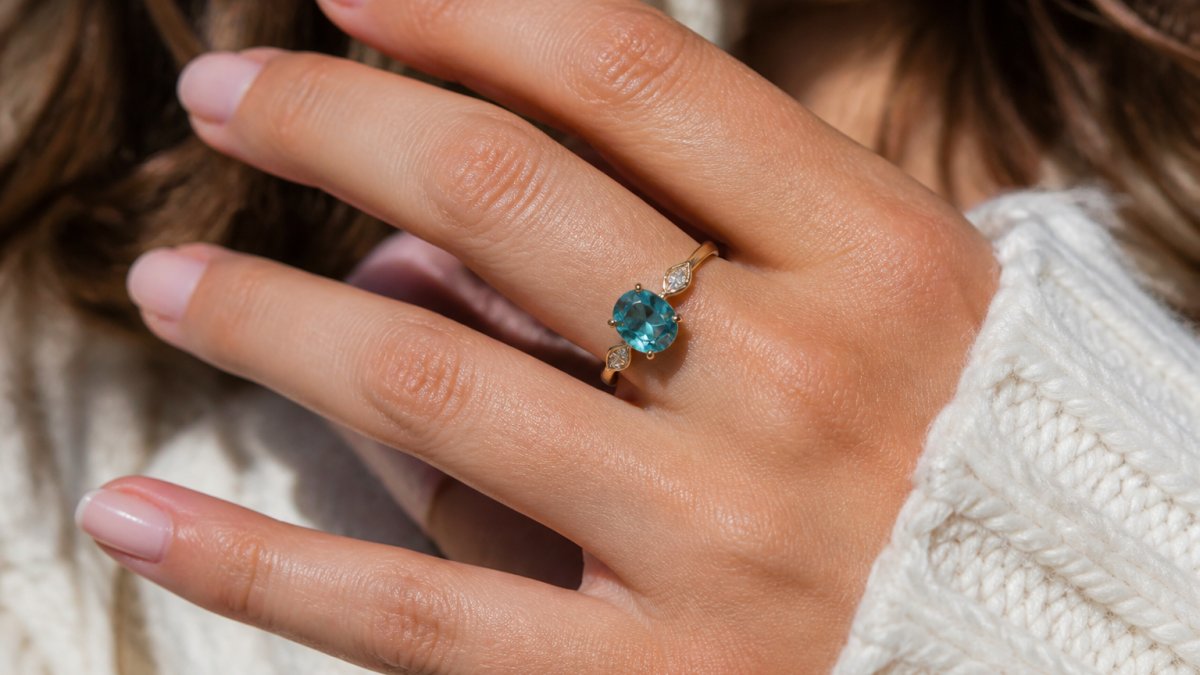
Consider what draws you to your chosen stone. Is it a color that reminds you of something meaningful?
Engraving adds intimacy: a date, initials, or meaningful phrase inside the band keeps your story close.
Your custom engagement ring alternative should make you smile every time you look at it, like your ring, not a default choice.
Gemological Institute of America's guide to gemstone durability
Choosing a custom engagement ring alternative is a chance to break from convention and create something genuinely meaningful.
At Epic Gifts, we celebrate meaningful jewelry that tells your story.
American Gem Society's gemstone care recommendations
Frequently Asked Questions
What are the most durable engagement ring alternatives to diamonds?
Moissanite ranks 9.25 on the Mohs hardness scale, making it nearly as hard as diamond (10). Sapphires and rubies score 9, while emeralds rate 7.5-8. For everyday wear, moissanite, sapphire, and ruby withstand scratching and daily impacts best. Emeralds and opals require more careful handling due to lower hardness and sensitivity to temperature changes. Choose based on your lifestyle: highly durable stones suit active wearers, while softer gems work for those willing to remove rings during physical activities.
How do sustainable engagement rings compare to traditional diamond rings?
Sustainable engagement rings use lab-grown diamonds, recycled precious metals, or ethically sourced gemstones, all avoiding the environmental and social concerns of mined diamonds. Lab-grown diamonds are chemically identical to mined stones but cost 30-40% less and have transparent sourcing. Recycled metals reduce mining impact. Many sustainable options include moissanite or colored gemstones, which offer unique aesthetics alongside environmental benefits. Pricing and durability depend on the specific stone and setting, not sustainability alone.
Why choose moissanite engagement rings over other alternatives?
Moissanite offers exceptional durability (9.25 Mohs hardness), brilliant sparkle, and significant cost savings compared to diamonds. It resists scratching and maintains clarity for decades with minimal maintenance. Unlike some colored gemstones, moissanite doesn't require special care or worry about everyday wear damage. The main consideration is its distinctive sparkle pattern, which some prefer and others find different from diamond brilliance. For budget-conscious couples wanting a durable, low-maintenance stone, moissanite is a practical choice.
What should I consider when designing a custom engagement ring with alternative gemstones?
Start by identifying your priorities: durability for daily wear, color preference, budget, and aesthetic style. Research each stone's hardness and care requirements, emeralds need gentle handling, while sapphires are highly durable. Work with a designer who offers consultations to discuss your lifestyle and vision. Consider the setting metal (gold, platinum, or silver) and how it complements your chosen stone. Request samples or high-resolution images to see the stone's color and brilliance before committing. Many custom designers offer virtual consultations and detailed design previews to ensure your ring matches your expectations.


